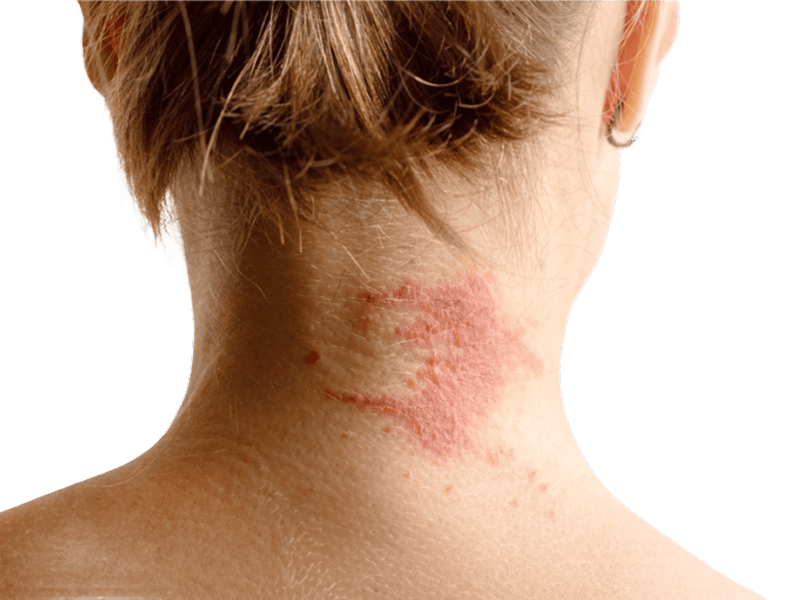
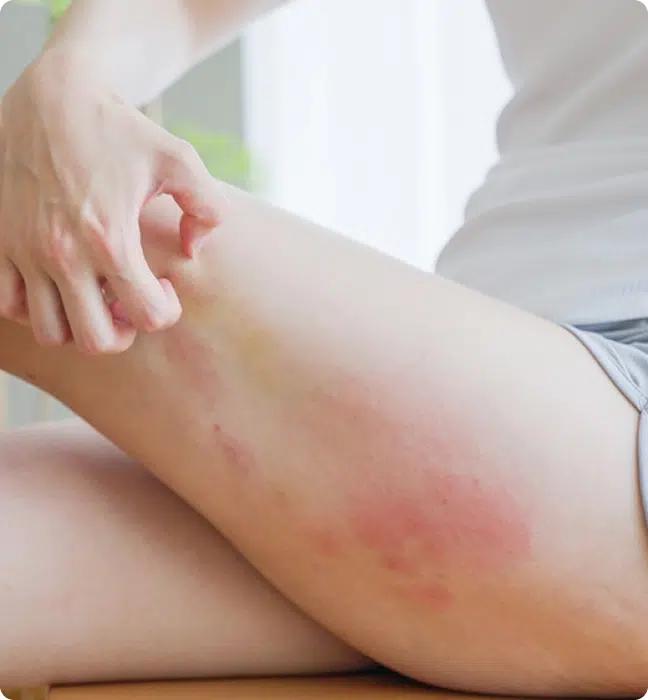
Eczema, also known as atopic dermatitis, is a chronic inflammatory skin condition that causes dry, itchy, red, and irritated skin. It often flares up on the hands, face, elbows, knees, or behind the ears. While eczema isn’t contagious, it often requires medical treatment to break the itch-scratch cycle and repair the skin barrier.
Eczema affects both children and adults in Ireland, and while it can’t be cured, effective prescription treatments can help control symptoms and prevent flare-ups.
- No waiting rooms
- No stress
Trusted eczema care from Irish doctors who understand your needs.
Common Types of Eczema
Each type may need a slightly different approach to treatment, which is why adoctor-led assessmentis important.
Common Types of Eczema
- Atopic dermatitis - the most common, often linked to allergies and asthma
- Contact dermatitis - caused by irritation or allergic reactions to substances like soaps or detergents
- Seborrheic dermatitis - affects the scalp and face (dandruff or cradle cap)
- Nummular eczema - coin-shaped patches on arms or legs
- Dyshidrotic eczema - tiny blisters on the hands and feet
Eczema can affect anyone, but it’s especially common in people with allergies or sensitive skin.
Eczema Treatments Available Through smartscripts.ie
Depending on your symptoms, our doctors may prescribe:
- Topical corticosteroids (mild to moderate creams or ointments)
- Calcineurin inhibitors (tacrolimus or pimecrolimus for sensitive areas)
- Emollients and barrier repair creams
- Antibiotic or antifungal creams if infection is suspected
- Oral antihistamines to reduce itching
Your GP may also recommend adjustments to your skincare routine, such as avoiding harsh soaps, fragranced products, or over-bathing, to help prevent flare-ups.
When to See a Doctor in Person
Eczema (also known as atopic dermatitis) is a chronic inflammatory skin condition that causes itchy, red, and irritated skin. It can flare up on the hands, face, elbows, knees, or any part of the body. While eczema isn’t contagious, it often requires medical treatment to break the itch-scratch cycle and repair the skin barrier.
While most eczema cases can be treated online, you should seek in-person care if you experience:
- Severe or rapidly worsening symptoms
- Signs of infection (oozing, pain, fever)
- Eczema that affects your eyes
- Widespread flare-ups are unresponsive to treatment
Your smartscripts GP will always advise if an in-person assessment is necessary, and you will be refunded if we can’t help you.